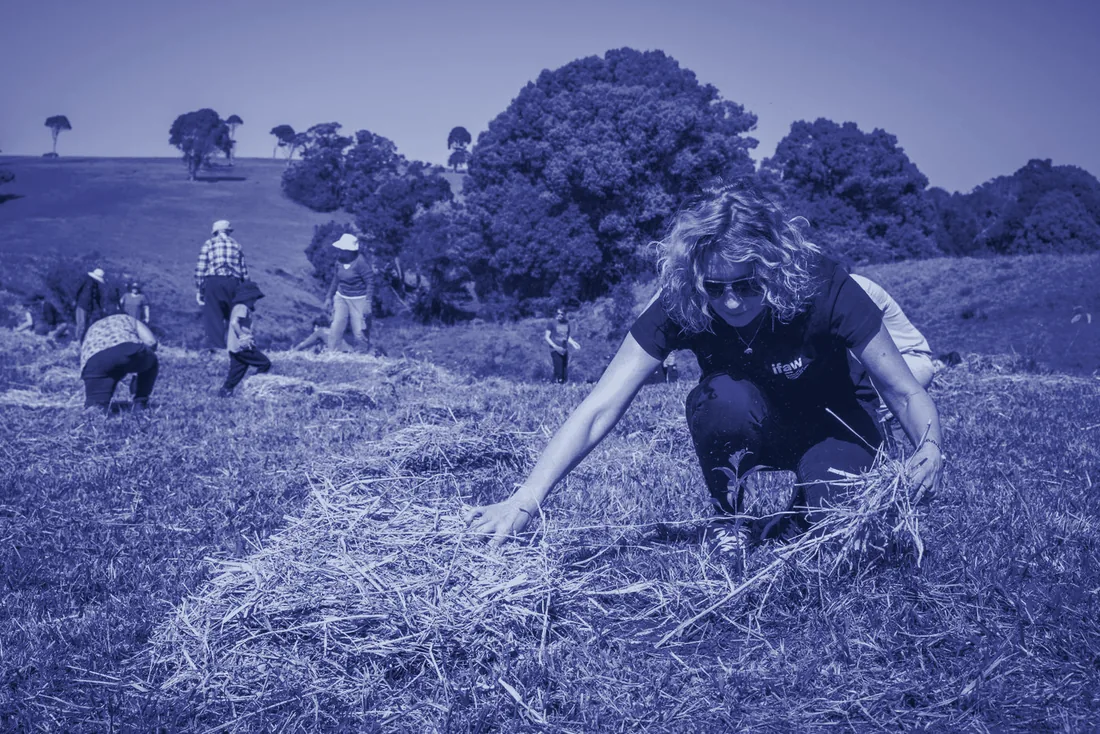
Implementers
The people with soil on their hands. See where a new tree, hedge or pond will do the most, then track whether it took.
- Restoration practitioners
- Community-based orgs
- Ecologists & field teams
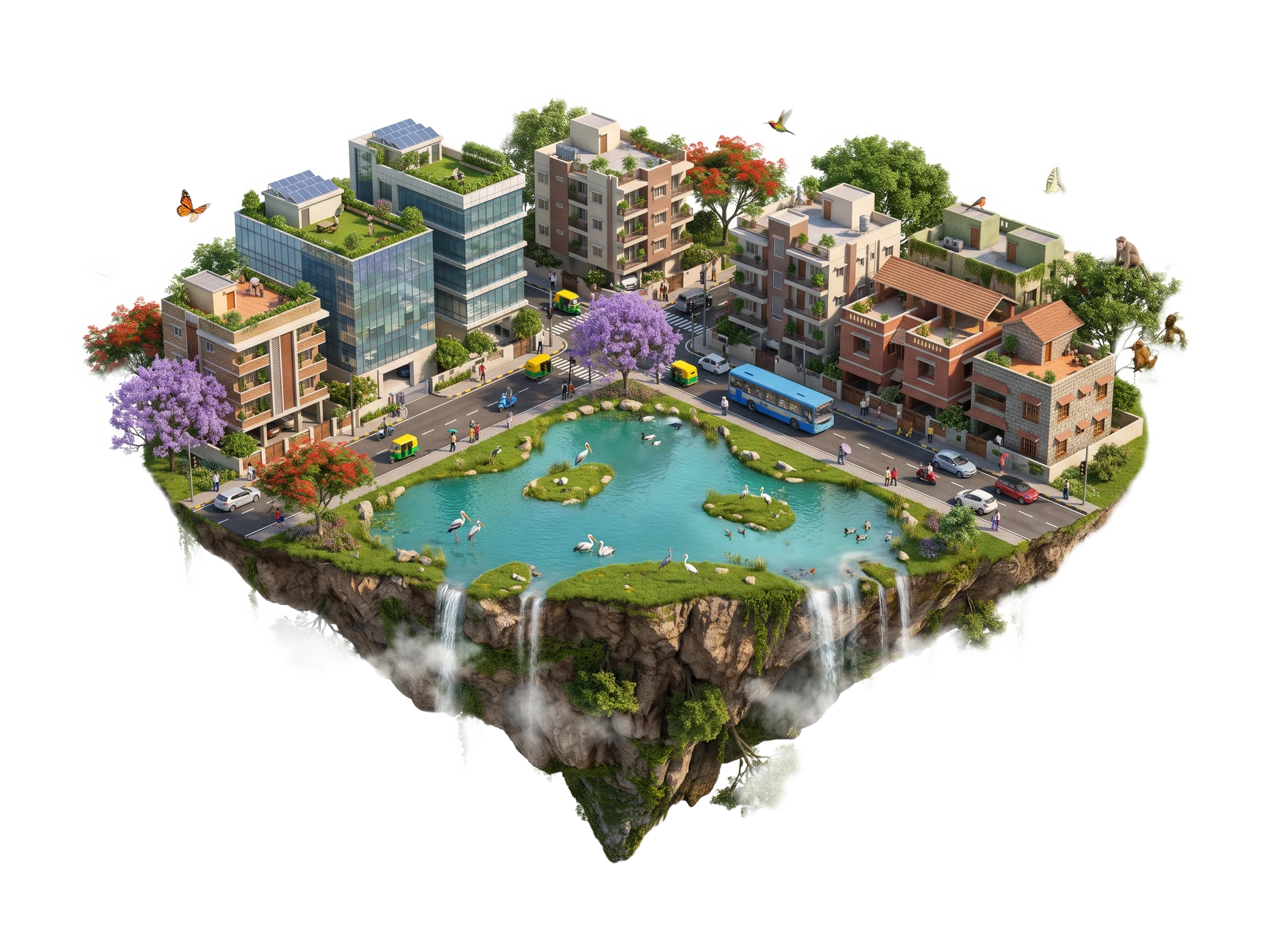
Why is one street ten degrees cooler than the next? Why does one lane flood and another doesn't? It comes down to what's still connected. See how your neighbourhood is doing.
What we are losing
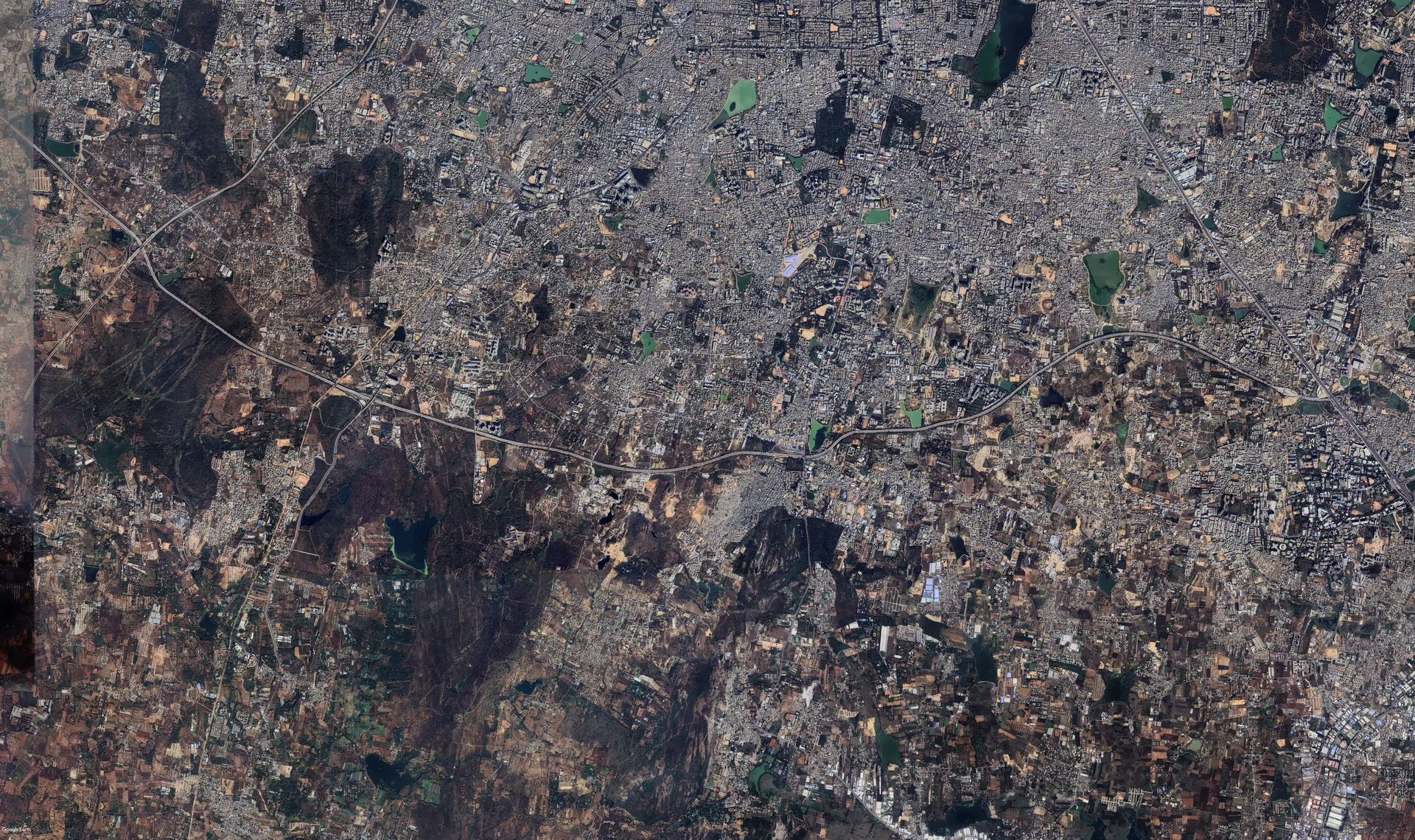
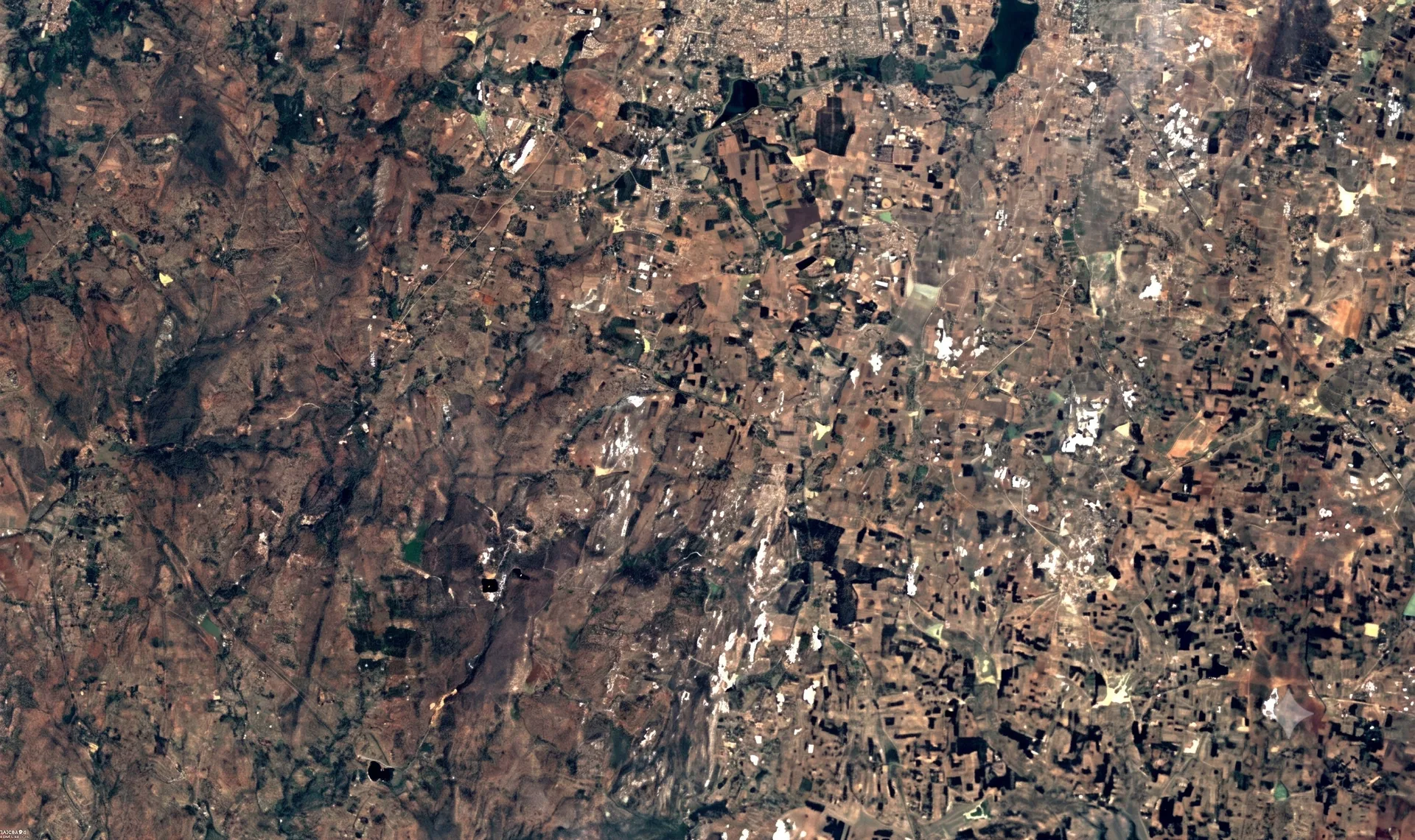
Bannerghatta’s green still reaches into the city. Drag the line to see the same ground then and now, then open a place we walked.
The cost you feel
How a neighbourhood actually works is the story, and it works the same way everywhere.
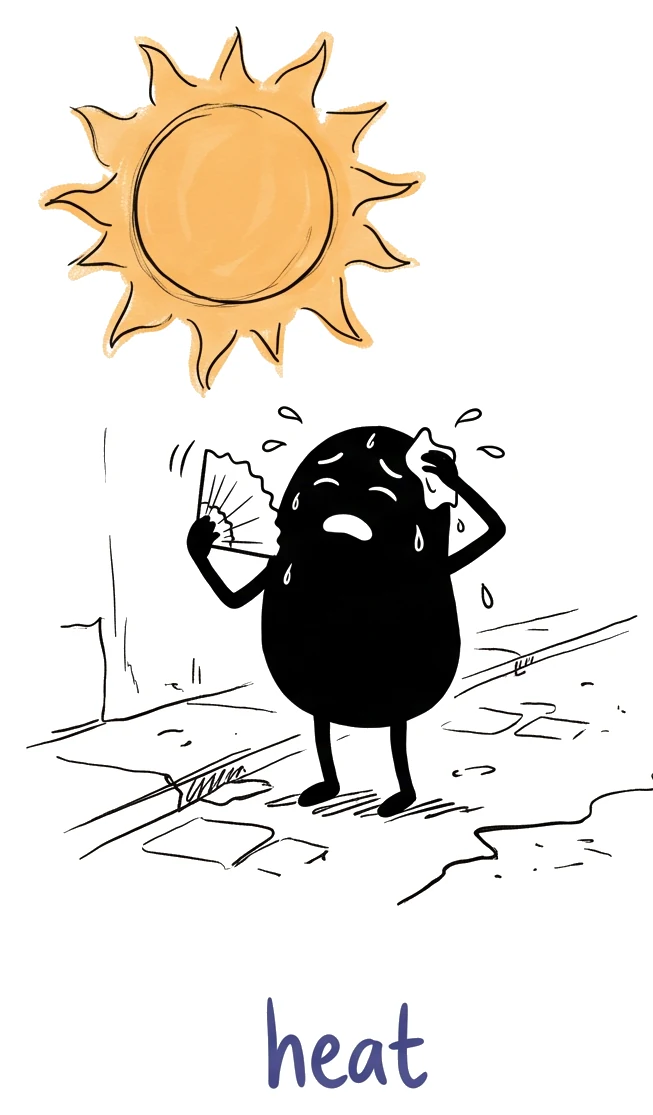
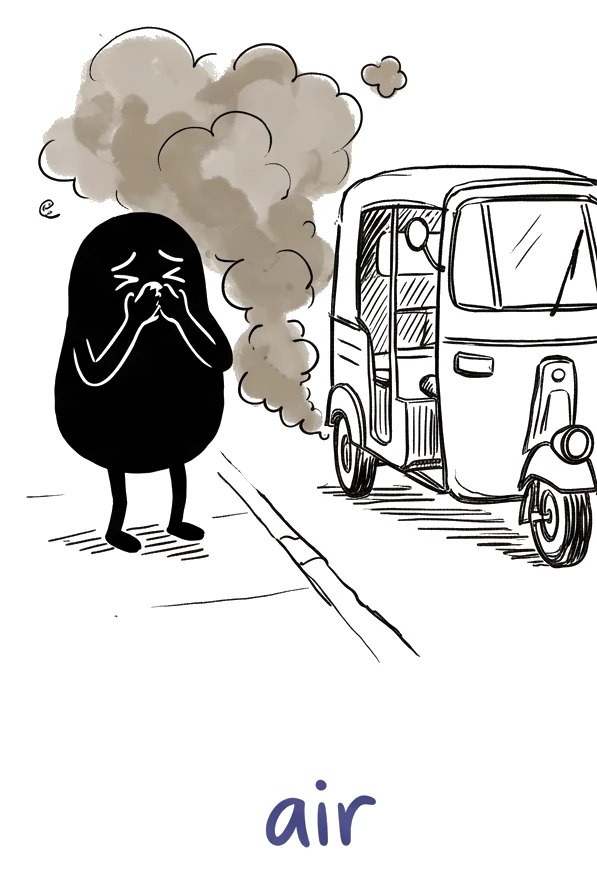
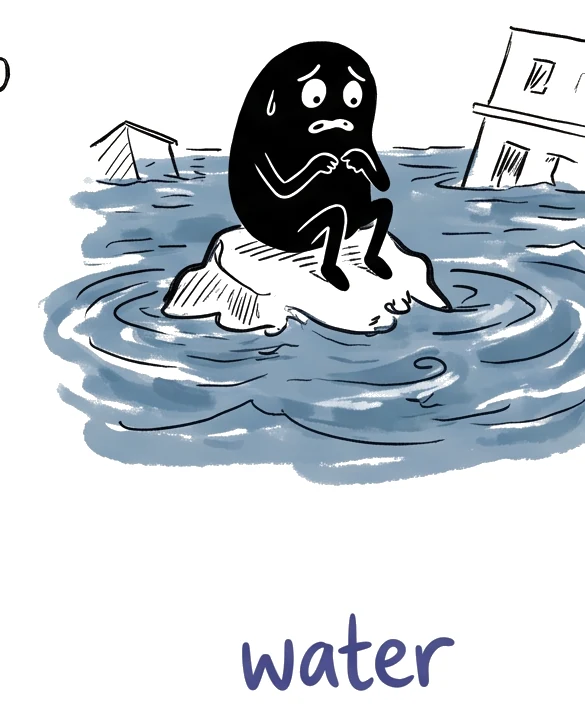
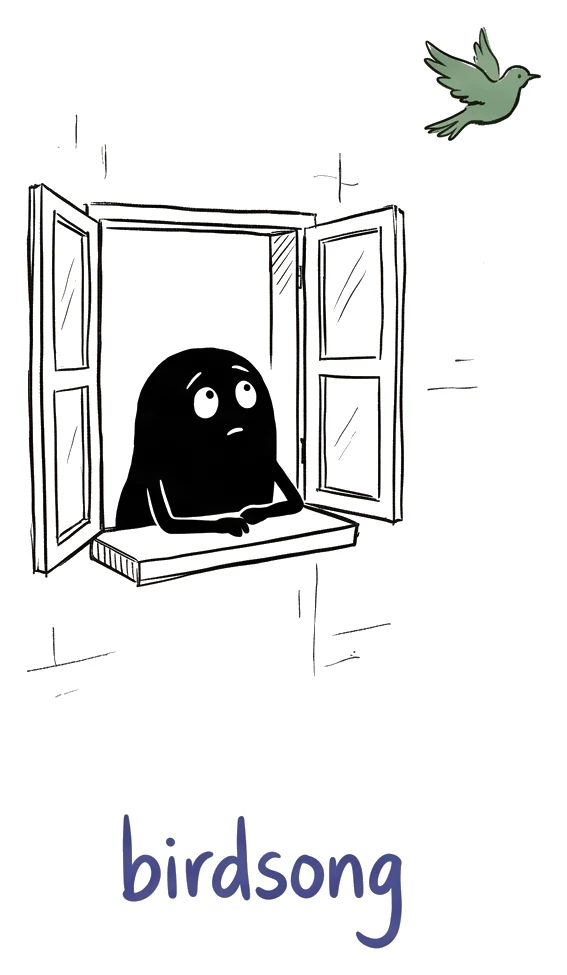
None of this is bad luck. It is what happens as the network thins out.
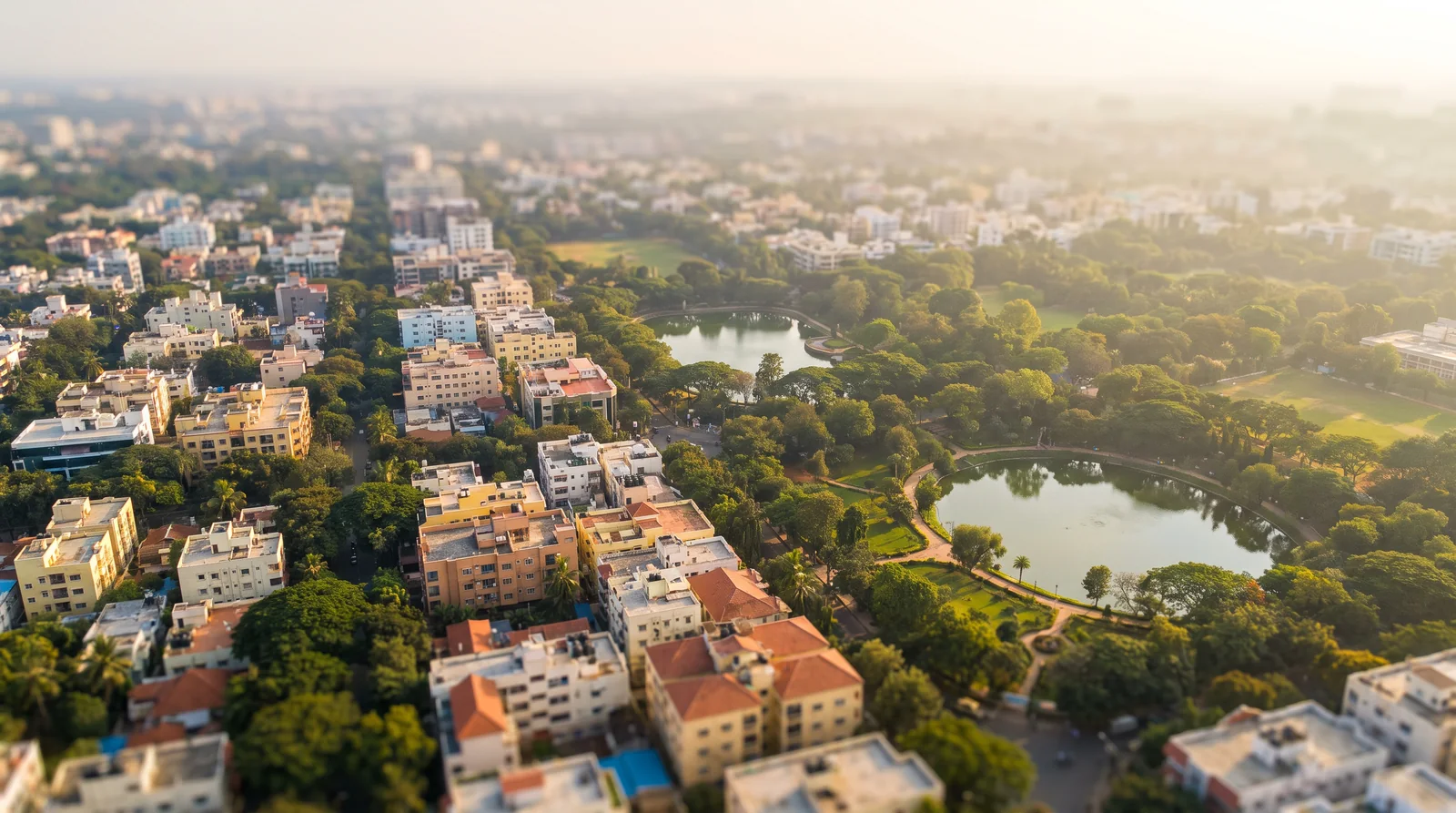
This is how these places generally behave, not a reading from this exact spot.
 A park
 A lake
 An urban forest
 A tree-lined street
 A rooftop garden
 An empty plot
 Scrubland
 A wetland
 A home garden
 A playground
Now look at a place that still works.
Click any marker to see the quiet work it does.
This whole place is one node.
One working piece of the city.
A node can be almost anything.
None of them works alone.
They wire into a living network.
That web is your whole city.
Even a worn-out place, all concrete, is still a node. Just waiting to be switched back on.
Take care of your node, and you take care of the whole network.
Find your nodeWho it's for
A living network only changes when people act on it. Nature Network hands three kinds of changemakers the same honest map, each reading it for the decision in front of them.
The people with soil on their hands. See where a new tree, hedge or pond will do the most, then track whether it took.

Put money where it moves the whole network, backed by independent evidence, not grantee self-report.
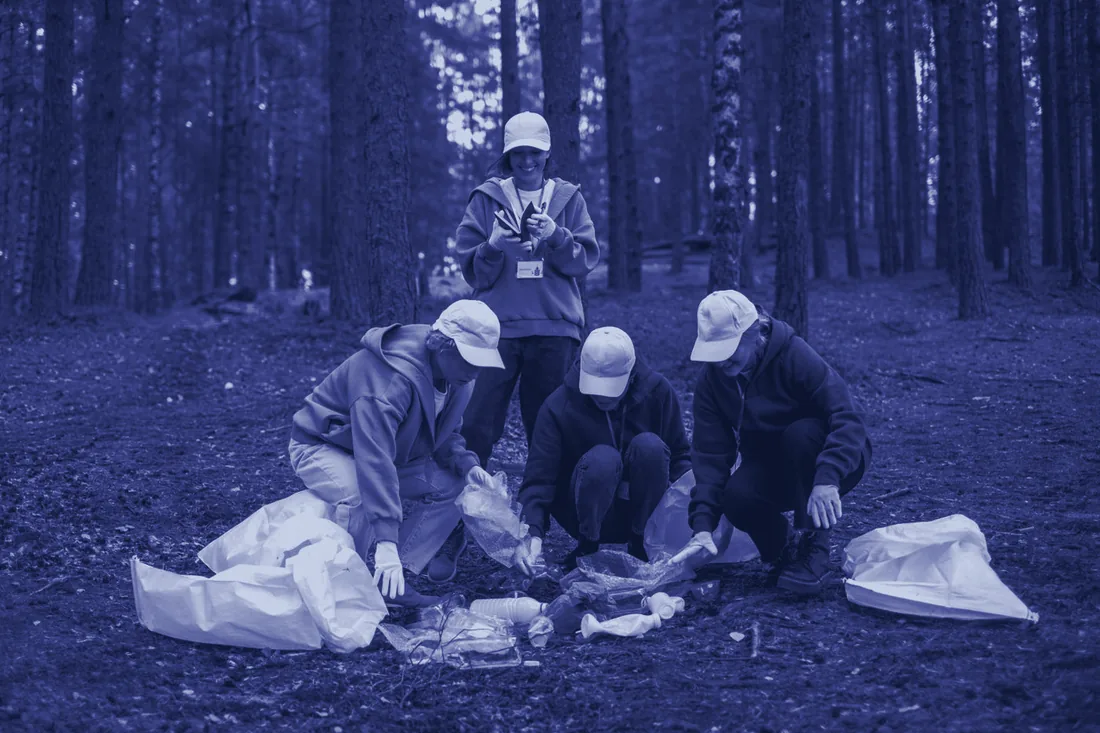
Turn what your street already knows into a shared, honest map, to make the case and steward what you win.
Build your node
Pick from what a place can hold, drop it onto the ground, and reach the goals that bring your node to life.
A backyard patch. Almost anything you plant will help here.
